


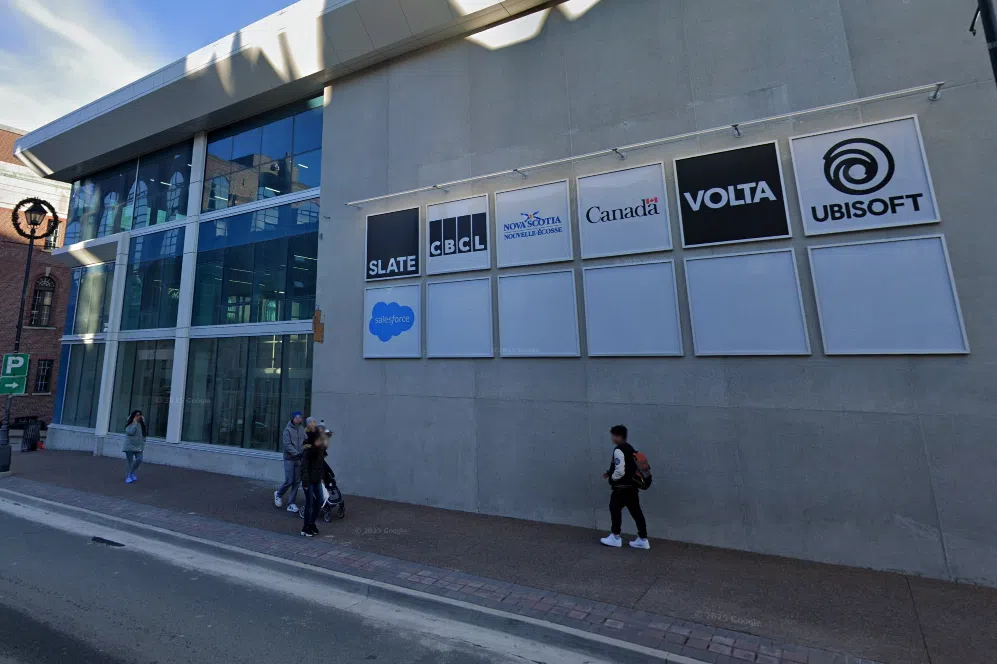
Devastating and unexpected–that’s how Jon Huffman describes the sudden shut down of the Ubisoft Halifax studio on Wednesday.
This comes just a few weeks after the studio formed the first North American union in the company, according to Huffman, the former lead programmer at the studio.
Before the holidays, management scheduled an all-staff meeting, and on Wednesday, when everyone went to the meeting, they knew something was up because one of the representatives for the whole company, Jean-Michel Detoc, chief mobile officer, was there.
They got straight to the point and told them all they were shutting down, said Huffman.
“We all took it with a reasonable degree of shock and sadness. We had, after all, just been certified as a union back in mid-December. So we hadn’t even been a certified union for more than a month,” said Hoffman.
The studio is the development team behind mobile games like Assassin’s Creed Rebellion and the mobile version of Rainbow Six Siege.
“The actual original prototype came out of Halifax, and we’re really proud of that fact, that it was picked up by Ubisoft, kind of globally, and recognized as a really promising project that they wanted to go and pour their resources into,” said Huffman.
Ubisoft Halifax had their hands in several other projects, but they are not allowed to talk about them because they may be works in progress and because of NDAs.
Financial trouble
The company, according to Huffman, said they are going through financial trouble, and that was why they closed the studio.
But he said there are signs the company still has money and options open to them.
He mentions a recent deal they made with Tencent. The company paid Ubisoft more than a billion dollars for 25 per cent of one of its studios, to help Ubisoft manage some of its debt, according to a news release from the company.
And in December, just a few days before the Halifax branch officially formed their union, Ubisoft bought the “March of Giants” video game from Amazon.
Huffman said it is suspicious that their studio would get closed so soon after forming a union. He would not speculate if that is why. But he said, with just a bit of research online, you can find plenty of people doing that speculation.
“And when everybody else is tossing out that speculation, it’s hard to believe that some people within the company itself haven’t had similar thoughts.”
A tight-knit team
Huffman, who helped get the union started, said he moved here to work at Ubisoft Halifax, and many of the team bought houses this year. They don’t want to move, although now there are no other video game studios for them to work for in the province.
He would not rule out whether the team of 71—61 of whom were in the union—would form their own independent studio.
“It’s certainly a possibility. There’s nothing preventing us from organizing ourselves and pursuing opportunities together,” said Huffman.
One of the biggest issues is the massive amount of planning to get a new studio up and running, and now they would have some time pressure to do it quickly, he said.
“I am certain that it’s a conversation that’s happened between members of our union. It’s natural, right? Again, we love working with each other, so of course, we would consider how we could continue doing that.
He said they are all helping each other get through this tough time, whether that’s sharing job resources, organizing get-togethers or hanging out to get their minds off the stress of job hunting.
This dedication to the team is what lead them to unionize in the first place.
“We loved working with each other and we loved where we worked. It’s consistent in all of our messaging that we weren’t doing this because we were angry at the company. We were doing this because we wanted to keep doing it for a long time,” said Huffman.